How to Choose the Right Agitator Seal for Your Equipment?
Choosing the right Agitator Seal can be challenging. Industry expert, Dr. Samuel Reed, once said, “A perfect seal can save your equipment and energy.” His insight emphasizes the importance of selecting a suitable seal for efficient operations.
Different applications require different types of seals. Factors such as temperature, pressure, and chemical compatibility must be considered. Installation errors can lead to leakage, causing increased maintenance costs. A well-made Agitator Seal plays a crucial role in minimizing these issues.
The industry often faces issues with seal failures. Understanding material properties is key. Not every seal is created equal; design imperfections can lead to premature wear. Choosing wisely can enhance the longevity of your equipment and improve performance over time. Reflecting on past mistakes may help prevent future failures.
Understanding the Function of Agitator Seals in Equipment
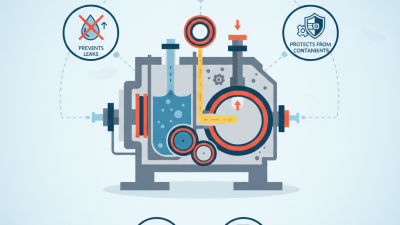
Agitator seals play a vital role in equipment performance. They prevent leakage of fluids, ensuring efficiency. Proper sealing reduces the risk of contamination, making it essential for industries like food and pharmaceuticals. A good seal keeps your processes clean and safe.
Understanding the function of agitator seals helps in selecting the right one. These seals withstand pressure and resist wear. It’s crucial to consider fluid properties, such as temperature and viscosity. Each application is unique. A seal may work well in one scenario but fail in another. Thus, you must evaluate specific needs.
Sometimes, users overlook maintenance. Regular checks on seal integrity can prevent costly downtimes. It's easy to assume everything is fine until a problem arises. This can lead to operational disruptions. Focus on care and inspection to extend seal life and improve overall reliability.
Agitator Seal Performance Comparison
This chart compares the performance ratings of different types of agitator seals based on their reliability, durability, and maintenance requirements.
Identifying Different Types of Agitator Seals Available in the Market
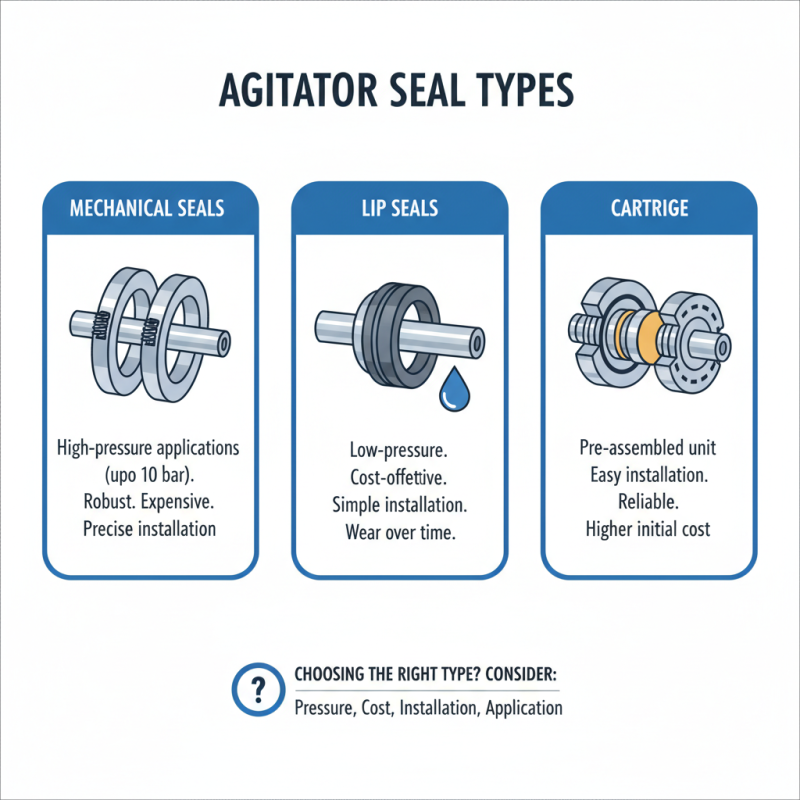
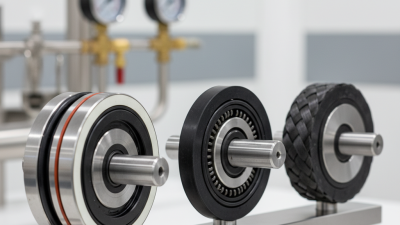
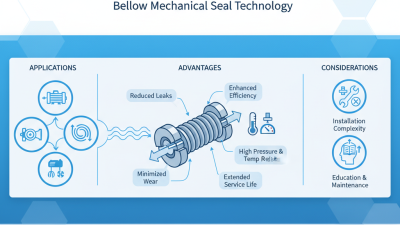
When selecting an agitator seal, understanding the types available is crucial. There are several designs, including mechanical seals, lip seals, and cartridge seals. Each type serves a specific purpose and operates under different conditions. For instance, mechanical seals are common in high-pressure applications. They provide a robust solution, often rated for pressures up to 10 bar. However, they can be expensive and require precise installation.
Lip seals, on the other hand, are simpler and typically cost-effective. They work well in moderate pressure environments but might not handle extremes as effectively. Analyses reveal that about 25% of equipment failures are linked to seal-related issues. This shows the importance of choosing the right type. Lastly, cartridge seals offer a pre-assembled option that simplifies installation. This can reduce maintenance time, as they are easier to replace. The choice depends on your specific requirements and environment, which can be a challenging process.
Industry reports indicate that around 40% of facilities overlook seal selection in their maintenance plans. This oversight can lead to increased downtime and repair costs. It's vital to assess your equipment thoroughly. Consider factors such as temperature, pressure, and the nature of the substances involved. Each detail matters in making the right choice. Reflecting on current practices may reveal areas for improvement.
Evaluating Compatibility of Agitator Seals with Your Equipment Specifications
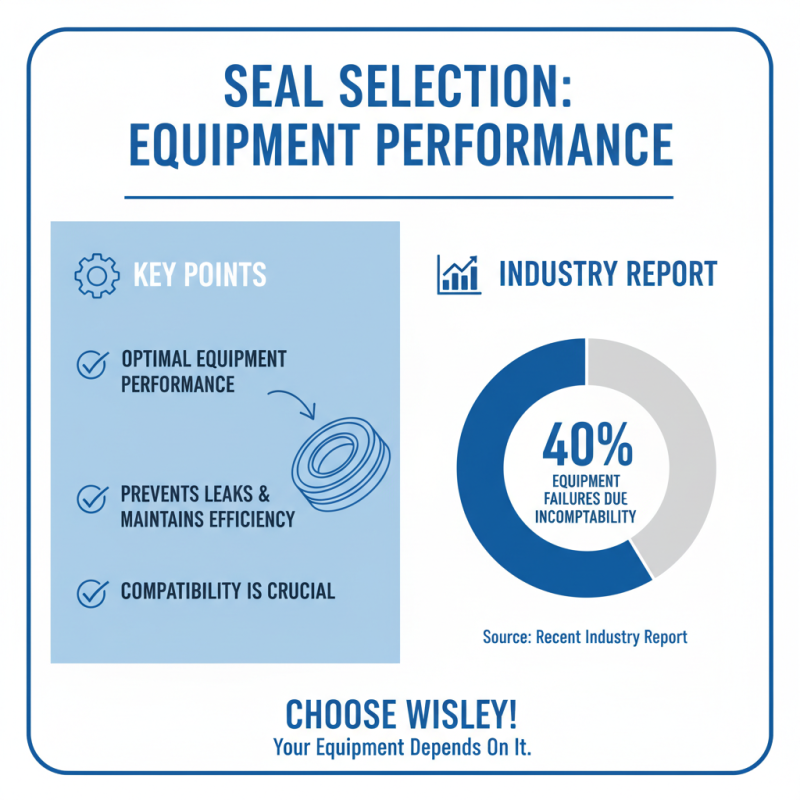
Choosing the right agitator seal is crucial for optimal equipment performance. Compatibility with your equipment specifications is essential to prevent leaks and maintain efficiency. A recent industry report indicates that nearly 40% of equipment failures are due to seal incompatibility. This statistic underscores the importance of careful selection.
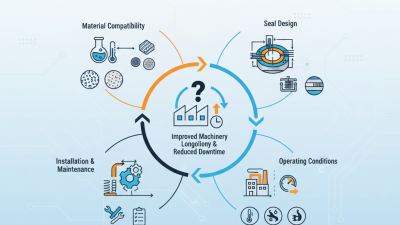
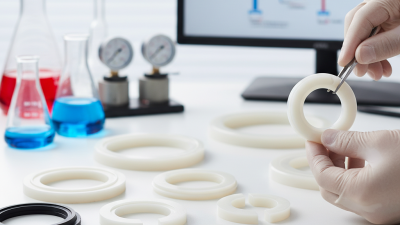
Start by examining your equipment's operating conditions. Factors such as temperature, pressure, and chemical exposure directly affect seal performance. For instance, high temperatures may require seals made from heat-resistant materials. If your equipment encounters aggressive chemicals, a seal resistant to corrosion will be necessary. Evaluating these conditions is not just a theoretical exercise; it directly impacts your operational costs and downtime.
Consider the physical dimensions too. Seals must fit perfectly to avoid gaps. Gaps can lead to fluid loss or contamination. An unexpected leak can halt production, leading to significant financial loss. Taking the time to check compatibility can save your facility from costly disruptions. However, it can be easy to overlook such details in daily operations, leading to frustrations and setbacks. Reflecting on past seal failures can guide better future decisions.
Assessing Environmental Factors Impacting Agitator Seal Performance
Choosing the right agitator seal involves understanding various environmental factors.
Temperature variations can affect seal materials. High temperatures can cause seals to soften or degrade quickly. Cold environments may lead to increased brittleness.
Analyze the operating environment closely.
Tips: Consider the temperature range when selecting seals. Verify compatibility with both solvents and chemicals. Ensure seals can handle these conditions for optimal performance.
Another critical factor is pressure. A high-pressure environment demands seals made from robust materials. Weak seals can lead to leaks or failures.
Pay attention to the pressure rating of your chosen seal. Sometimes, the specifications may seem adequate, but real-world applications can differ significantly.
Tips: Don’t solely rely on manufacturer specifications. Conduct field tests to validate your choice. Regular monitoring can prevent unforeseen issues. Adaptation may be necessary if performance issues arise.
Consider the overall fluid composition as well; it can impact seal integrity.
Cost Considerations and Maintenance for Choosing Agitator Seals
When selecting an agitator seal, cost is a crucial factor. High-quality seals often come at a premium. However, cheaper options may not provide the longevity you need. This could lead to frequent replacements, increasing your overall expenses. Consider the total cost of ownership rather than just the initial purchase price. Sometimes, spending a bit more initially can save money in the long run.
Maintenance is equally important when choosing seals. Regular inspections can identify wear and damage early. This proactive approach helps avoid unexpected failures. Interestingly, many overlook the maintenance aspect. They may choose seals based solely on price or availability. Yet, neglecting maintenance can lead to more significant issues. It’s essential to strike a balance between cost and reliable performance.
While looking for the right seal, think about the specific conditions in your equipment. Harsh environments may require more durable seals. Don't forget to analyze expected chemical exposures as well. These details sometimes get ignored. In the end, aligning your choice with operational needs is vital. Your equipment deserves the right attention and care.