2026 How to Choose the Right Bellow Seals for Your Applications?
Choosing the right bellow seals for your applications can be a daunting task. These seals play a crucial role in maintaining pressure and preventing leaks in various equipment. They come in different types, materials, and sizes, which can make selection challenging. Understanding your specific needs is essential.
Consider the environment where the seals will be used. High temperatures or corrosive substances can affect performance. Sometimes, what seems suitable may fall short in real applications. Testing and feedback are vital to ensure value and longevity.
It's also important to engage with experts. They can provide insights that save time and resources. Remember, the right bellow seals can enhance productivity and reduce costs. However, overlooking details can lead to failures. Do not underestimate the importance of thorough research in making this important decision.
Understanding Bellow Seals: Types and Applications
Bellow seals are crucial components in various industries, offering reliable sealing solutions. They are designed to prevent leaks in rotating machinery, especially in applications involving high pressures and temperatures. Understanding the different types of bellow seals can help you select the right one for your needs.
There are several types of bellow seals, including single, double, and balanced designs. Each type serves unique purposes. Single bellow seals are often used for lower pressure applications. Double bellow seals offer enhanced protection against leakage, suitable for hazardous environments. Balanced designs minimize wear on the seal, extending its lifespan.
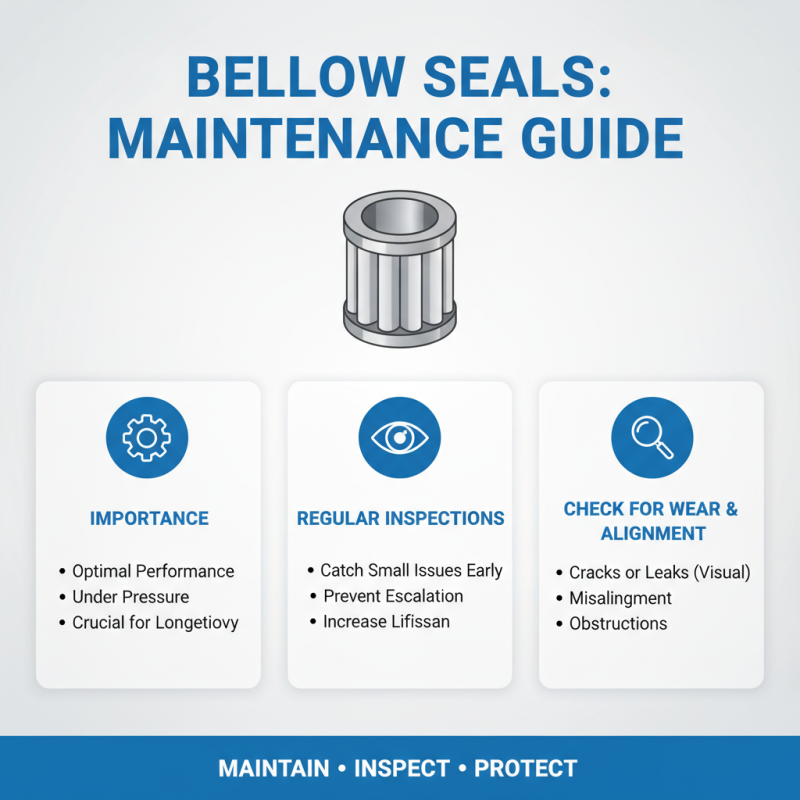
**Tips:** Always consider the fluid properties when selecting a bellow seal. Ensure the material is compatible with the media it seals. Also, assess the temperature and pressure conditions of your application. Regular maintenance checks can prevent failures. Not all bellow seals fit all scenarios; customization may be necessary.
Choosing the right bellow seal requires attention to detail. Reflect on your specific needs. Avoid making assumptions about compatibility. Proper selection can make a significant difference in performance. Watch for signs of wear and adapt your choice as necessary.
Key Factors to Consider When Selecting Bellow Seals
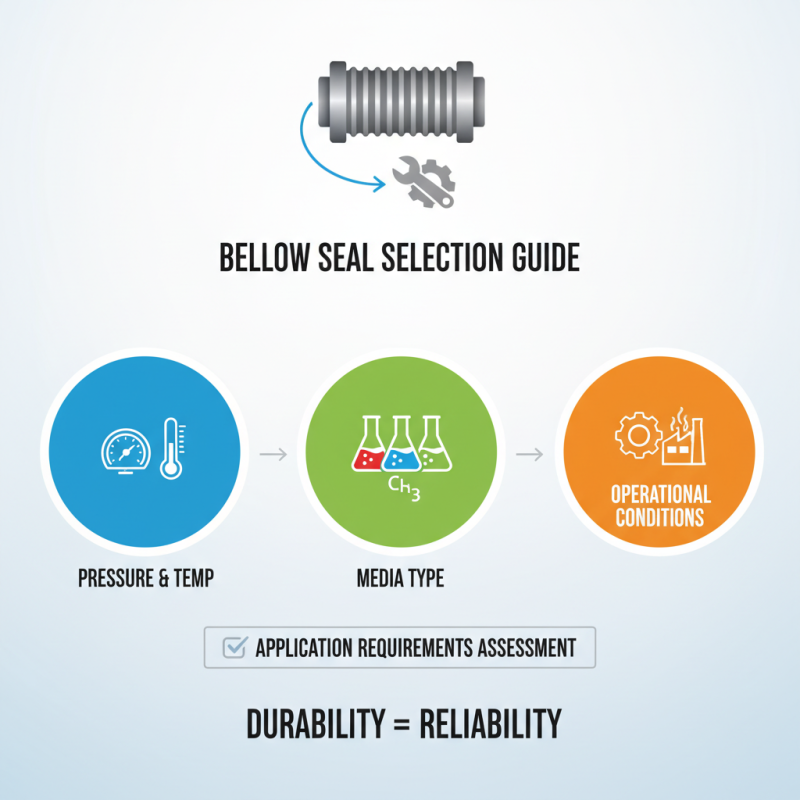
When selecting bellow seals, several key factors come into play. Start by assessing your application's specific requirements. Consider factors like pressure, temperature, and the type of media being sealed. A bellow seal must withstand the operational conditions without failure.
Material choice is crucial. Different materials offer varying levels of resistance to chemicals and temperature extremes. For instance, rubber-based options may be suitable for general applications, but specialized materials might be necessary for aggressive environments.
**Tips:** Always consult material safety data sheets. Check compatibility with your specific applications.
Installation is another essential consideration. Proper installation affects performance and longevity. Misalignment or improper assembly can lead to immediate failures.
**Tips:** Train staff on installation best practices. Regular maintenance checks can help identify potential issues early and prolong seal life.
An often-overlooked factor is the operating environment. Vibration, dust, or high humidity can impact seal performance. Anticipate these challenges in your selection process. A comprehensive analysis will lead to better choices.
Material Compatibility: Choosing the Right Material for Bellow Seals
Choosing the right material for bellow seals is essential for optimal performance. Various factors determine material compatibility, including temperature range, pressure, and the type of fluid involved. For example, certain elastomers can withstand high temperatures but may degrade when exposed to specific chemicals. Knowing your application is crucial.
Rubber options like EPDM and Nitrile serve different purposes. EPDM is excellent for water and steam resistance. Nitrile, on the other hand, is better for oil applications. However, many overlook potential issues. Choosing Nitrile for a high-temperature, water-based application might lead to premature failure.
Metallic bellow seals offer durability in extreme conditions. They resist significant wear and corrosion. However, they might not provide the same level of flexibility as rubber. This choice also depends on your application’s vibration and movement characteristics. Understanding these nuances will help you avoid costly mistakes. Compatibility is not just about matching materials; it’s about understanding the full context of your needs.
2026 How to Choose the Right Bellow Seals for Your Applications? - Material Compatibility: Choosing the Right Material for Bellow Seals
| Material Type |
Temperature Range (°C) |
Chemical Resistance |
Applications |
| Buna-N (Nitrile) |
-30 to 100 |
Good resistance to oils and water |
Automotive, general seals |
| EPDM (Ethylene Propylene Diene Monomer) |
-40 to 120 |
Excellent resistance to weather and ozone |
Agricultural, HVAC systems |
| PTFE (Polytetrafluoroethylene) |
-200 to 260 |
Outstanding chemical resistance |
Pharmaceuticals, food processing |
| Silicone |
-60 to 200 |
Good resistance to heat and moisture |
Medical devices, consumer products |
| Viton (Fluoroelastomer) |
-20 to 200 |
Excellent resistance to fuels and solvents |
Aerospace, chemical processing |
Sealing Environment: Assessing Temperature and Pressure Conditions
When selecting bellow seals, it's crucial to understand the sealing environment. Temperature and pressure conditions will greatly influence your choice. High temperatures can degrade some materials quickly. Therefore, always evaluate the maximum temperature your application will experience. Low temperatures can also impact seal performance. Ensure the material can tolerate the lowest expected temperature.
Additionally, pressure conditions must not be overlooked. High pressure increases the risk of seal failure. Consider the maximum pressure your system may encounter. If pressure spikes are common, select a seal that can accommodate these fluctuations. Improper choices can lead to leaks or equipment damage. It's essential to analyze both the static and dynamic pressure conditions.
**Tips:** Opt for materials that offer flexibility under varying pressure. They often perform better in stress situations. Always consult with experts when unsure about seal selection. Testing prototypes can help avoid costly mistakes down the line. A well-informed decision today can prevent issues tomorrow.
Temperature and Pressure Conditions for Bellow Seals Selection