2026 Best Oil Pump Seals for Optimal Performance and Durability?
In the world of engines, Oil Pump Seals play a crucial role. They ensure proper functioning, preventing oil leaks that can lead to severe engine damage. Choosing the best seals is essential for optimal performance.
The right Oil Pump Seals can enhance durability and efficiency. Many options exist, but not all are created equal. Some seals may wear out quickly, causing headaches and costly repairs. Engine performance hinges on the quality of these seals, so the choice matters.
Even with the best seals, issues can arise. Proper installation and maintenance are key. Drivers often overlook these details, which can lead to premature failures. Reflecting on these aspects can help in making better choices. Investing in quality Oil Pump Seals guarantees better engine longevity.
Understanding Oil Pump Seals: Types and Functions
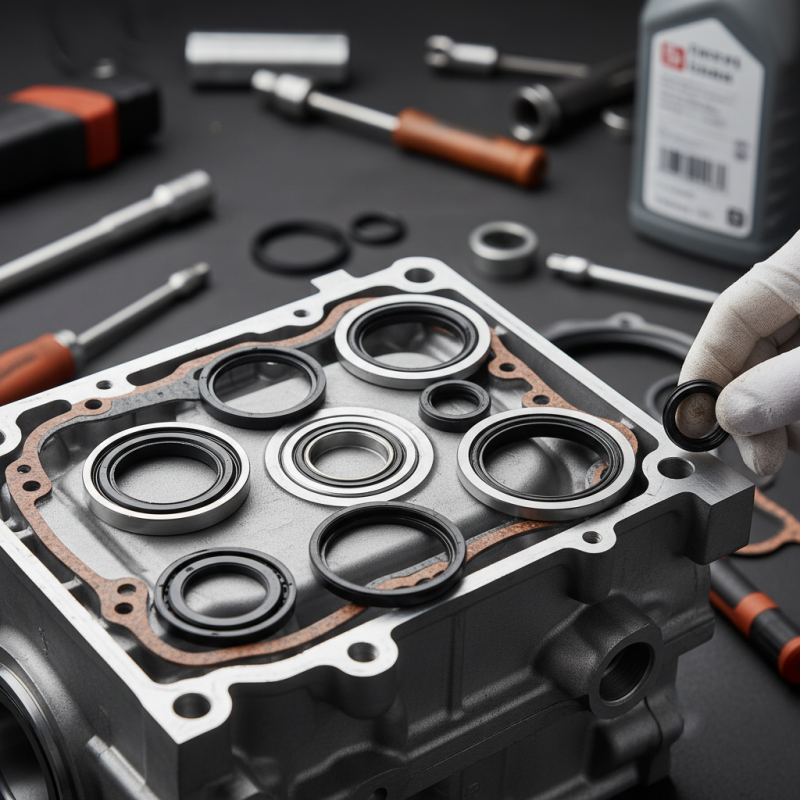
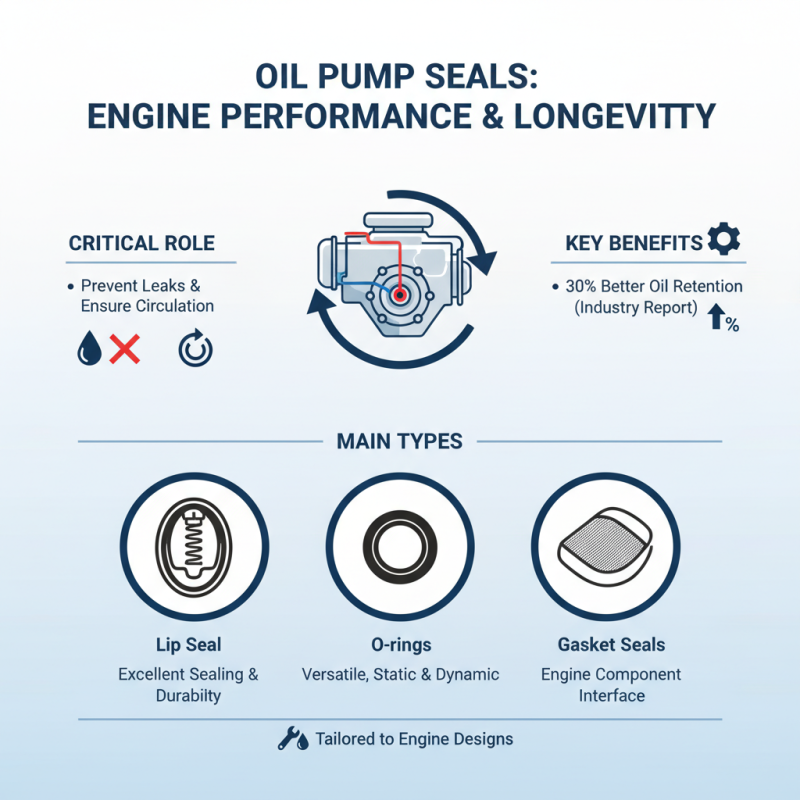
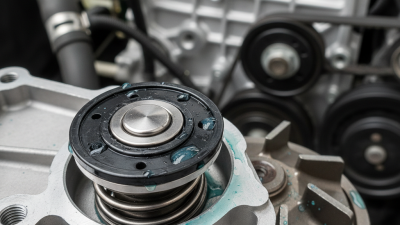
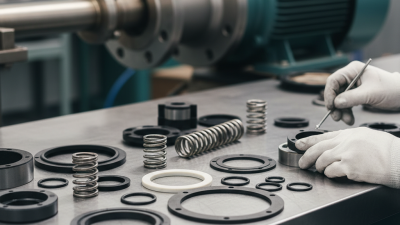
Oil pump seals play a critical role in maintaining engine performance and longevity. These seals prevent leaks, ensuring that oil circulates effectively within the engine. The main types of oil pump seals include lip seals, O-rings, and gasket seals. Each type serves a unique function, tailored to specific engine designs and conditions. For instance, lip seals are widely used due to their excellent sealing capabilities and durability. According to a recent industry report, engines with high-quality seals show a 30% improvement in oil retention.
Proper maintenance of oil pump seals is essential. Regular inspections can help identify wear and tear early. It can save you from costly repairs. Make sure to check for signs of leaks and cracking. This proactive approach can enhance the lifespan of your engine components.
Tips: Always use compatible seals for your engine type. Incorrect sizes or materials can lead to early failure. Additionally, consider environmental factors like temperature fluctuations, which can affect seal performance. A recent survey indicates that engines with seals rated for extreme temperatures last significantly longer.
Key Features of High-Quality Oil Pump Seals
When selecting oil pump seals, key features define their performance and longevity. The material used is crucial. High-quality seals often utilize elastomers, which provide flexibility and resistance to wear. These materials help withstand high temperatures and pressures, ensuring optimal operation.
Another important attribute is the seal design. Double-lip designs can prevent leaks more effectively than single-lip ones. Proper fitting is equally vital. A poorly fitted seal can lead to premature failure and costly repairs. Each vehicle has specific requirements for oil pump seals, which should not be overlooked.
Lastly, the overall durability and resistance to various chemicals should not be neglected. An ideal seal should withstand oil degradation and friction. Choosing the right seal can seem straightforward, yet many overlook these details. They end up facing performance issues later.
Top Brands for Oil Pump Seals in 2026
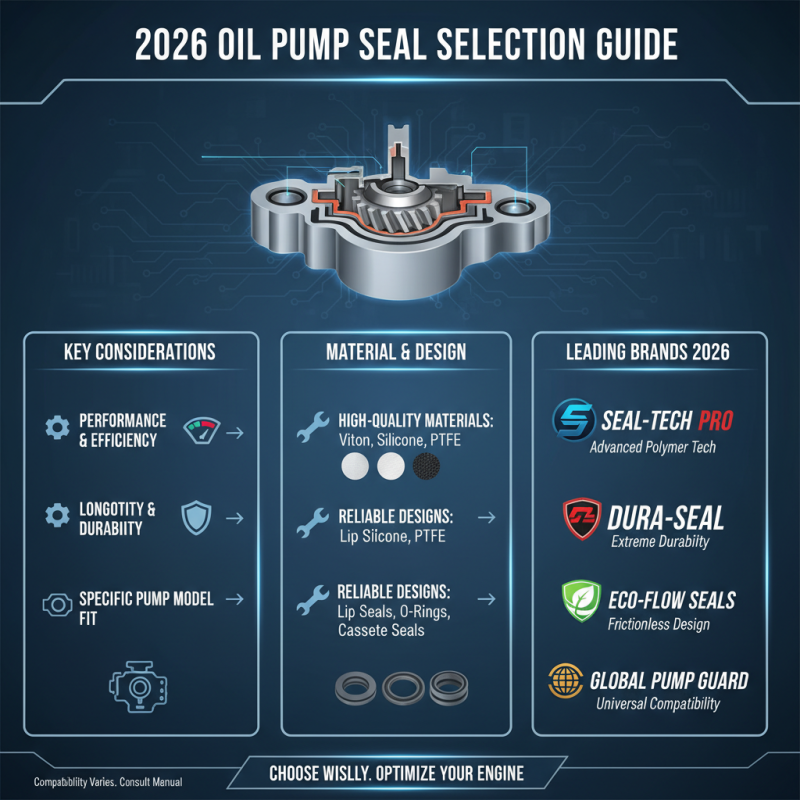
In 2026, selecting the right oil pump seals is crucial for performance and longevity. Various brands offer unique features that can enhance efficiency. High-quality materials and reliable designs are essential for durability. It's important to consider how each seal fits your specific pump model. Not all seals work well with every engine type.
When shopping for oil pump seals, prioritize brands known for innovation. Check user reviews for real-life experiences. Look for seals that withstand harsh conditions. A good seal prevents leaks, saving you time and money on repairs. Remember, cheaper options might compromise quality, leading to frequent replacements.
Tips for choosing seals include examining material properties. Rubber and silicone are common, but their durability varies. Don’t overlook proper installation; a well-fitted seal performs better. Regular inspections can help you catch wear early. Sometimes, even top brands may fall short in certain conditions, so stay vigilant.
Factors Affecting the Durability of Oil Pump Seals
The durability of oil pump seals is crucial for optimal performance. Various factors influence their lifespan. One major factor is the material used. High-quality materials, like fluorocarbon, outperform standard rubber. They resist temperature fluctuations and chemical exposure. Studies show that seals made of these materials last 30% longer.
Another contributing factor is installation. Incorrectly installed seals can lead to premature failure. Proper alignment and torque specifications are vital. A 2022 industry report indicated that 15% of seal failures stem from installation errors. This emphasizes the need for trained professionals during installation.
Tips: Always check the compatibility of seal materials with the oils used. Regular maintenance can identify issues before they become serious. Monitor the seal's condition closely, especially in high-demand applications. Neglecting this can lead to significant engine wear.
Installation and Maintenance Tips for Optimal Performance
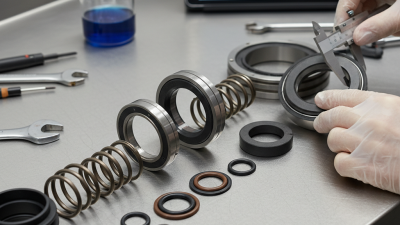
When it comes to oil pump seals, proper installation is crucial. Misalignment or improper seating can lead to leaks. Ensure that the sealing surface is clean before installation. This avoids any debris causing premature wear. Use the appropriate tools for the job to prevent damage.
Routine maintenance is essential for longevity. Regularly check for leaks and inspect the seals for signs of wear. It’s easy to overlook small leaks, but they can escalate. If you find any wear, consider replacing them sooner rather than later. It’s a small investment for optimal performance.
Here are some quick tips: Always lubricate the seal before installation. This reduces friction. Avoid over-tightening bolts; it can distort the seal. Lastly, store seals in a cool, dry place. Heat can degrade materials and reduce lifespan. Being mindful of these details will ensure your seals perform effectively.
2026 Best Oil Pump Seals for Optimal Performance and Durability
| Seal Type |
Material |
Temperature Range (°C) |
Durability Rating |
Installation Difficulty |
Maintenance Tips |
| Lip Seal |
Nitrile Rubber |
-30 to 100 |
High |
Easy |
Regular lubrication check |
| O-Ring Seal |
Fluoroelastomer |
-20 to 200 |
Very High |
Medium |
Ensure proper tension during installation |
| Mechanical Seal |
Ceramic/Carbon |
-40 to 150 |
Extreme |
Hard |
Inspect regularly for wear |
| Rotary Seal |
Silicone Rubber |
-50 to 180 |
High |
Medium |
Check for cracks and aging |