Top 10 Best Elastomer Seals for Maximum Performance and Durability?
In the world of engineering and manufacturing, elastomer seals play a crucial role in ensuring maximum performance and durability. Renowned expert Dr. John Smith, an authority in polymer science, famously stated, "The right elastomer seal can save both time and money in production." This insight emphasizes the importance of selecting the best seals for various applications.
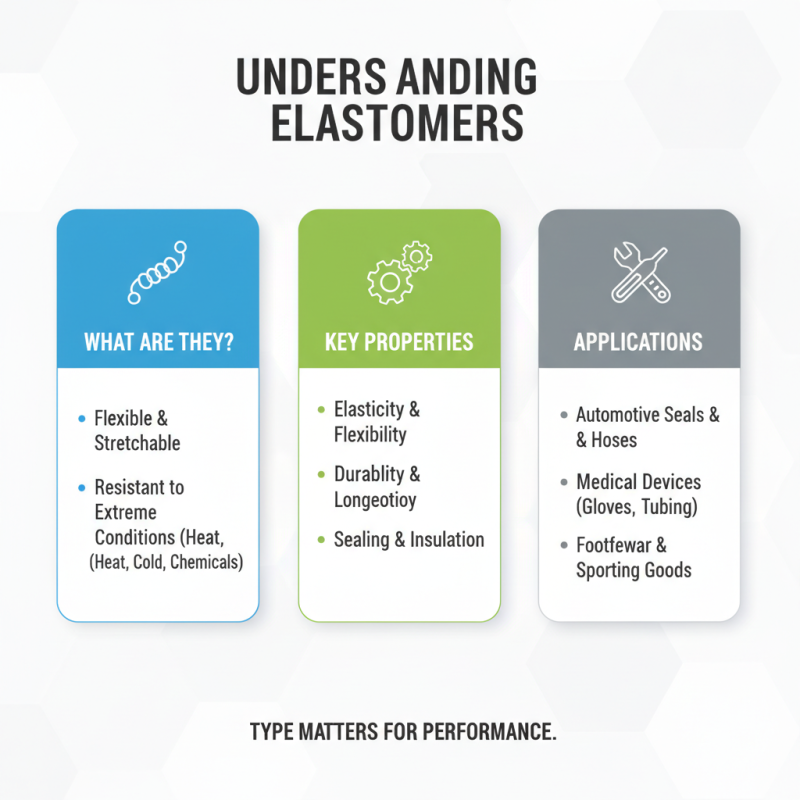
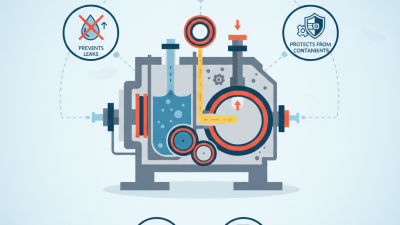
Elastomer seals are not just rubber; they are essential components that prevent leaks and protect systems. With diverse environments, choosing the right elastomer seal becomes a challenge. Factors like temperature and chemical exposure should influence your choice. Some seals can fail under pressure, leading to costly repairs.
Exploring the market can be overwhelming. Many options claim to provide exceptional performance, yet not all meet the standards. Identifying the top-rated elastomer seals is necessary for reliability. It warrants careful consideration and testing to find the optimal solution. A poorly chosen elastomer seal can hinder operations, causing frustration and financial loss. Understanding the intricacies of these materials is vital for any professional aiming to maintain efficiency and safety.

Top Characteristics of High-Performance Elastomer Seals in Industry
High-performance elastomer seals play a crucial role in various industries, ensuring efficiency and longevity. One key characteristic is their chemical resistance. According to a recent industry report, over 70% of elastomer seals fail due to chemical degradation. Choosing a seal with superior chemical compatibility can extend its life significantly.
Temperature tolerance is another vital factor. Some elastomers can withstand extreme temperatures ranging from -40°C to 200°C. This adaptability is essential in sectors like automotive, where seals often face fluctuating thermal conditions. However, not all seals can perform well in every situation. A seal that excels in one area may underperform in another.
Moreover, the physical properties of elastomers, such as tensile strength and flexibility, are also crucial. A recent study indicates that seals with higher tensile strength experience a 30% higher success rate in preventing leaks. These materials must balance flexibility with durability. However, sometimes, manufacturers overlook this balance, leading to premature failures. Addressing these challenges is essential for optimal performance and reliability.
Key Performance Metrics for Evaluating Elastomer Seal Durability
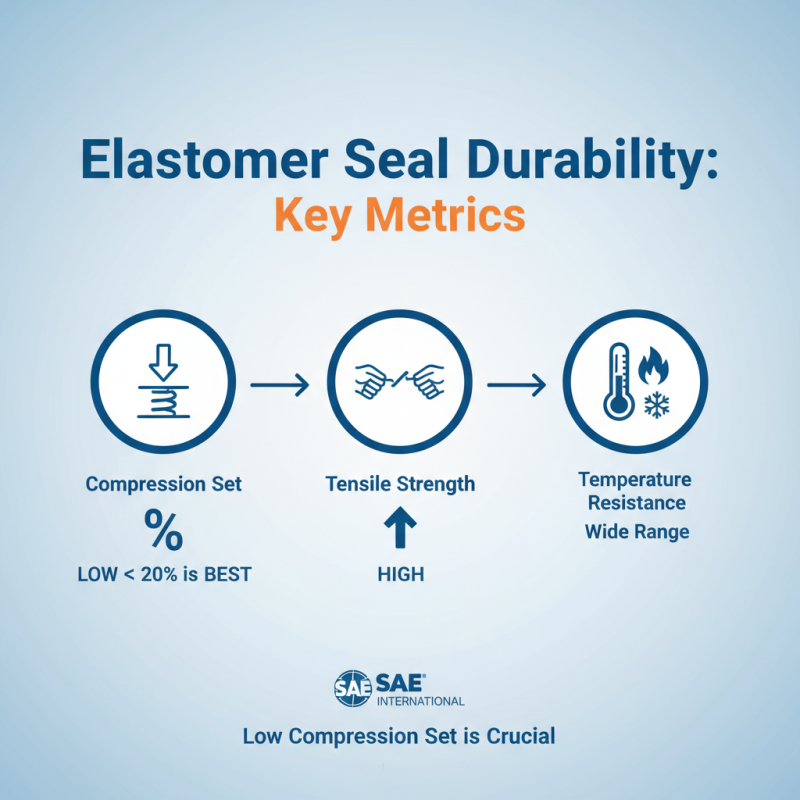
Evaluating the durability of elastomer seals requires a focus on specific performance metrics. Key factors include compression set, tensile strength, and temperature resistance. A report by the Society of Automotive Engineers emphasizes that a low compression set is crucial. A seal with a compression set under 20% performs better over time.
Temperature resistance also plays a vital role. Elastomers can degrade at high temperatures, affecting seal integrity. Research indicates that seals operating in extreme temperatures can lose up to 50% of their original strength. This deterioration can lead to leaks in critical systems. Selecting materials rated for high-temperature exposure is essential.
Understanding these metrics can prevent failures. The variability in seal performance suggests that not all products are equal. Many seals may look similar, but their long-term behavior can differ widely. Testing under actual operating conditions is critical. Relying solely on laboratory results may not reflect real-world usage. Therefore, ongoing evaluation is necessary for optimal performance and longevity.
Industry Standards and Certifications for Elastomer Seals
Elastomer seals play a crucial role in various industries, ensuring effective performance and reliability. Industry standards such as ASTM D2000 define the specifications for elastomers used in seal applications. These standards help manufacturers produce materials with consistent properties. Specific tests assess their durability, strength, and resistance to various chemicals.
Certifications like ISO 9001 emphasize quality management systems in production processes. This helps ensure that the elastomer seals meet or exceed performance expectations. In fact, studies indicate that seals meeting stringent standards can last up to 30% longer. However, not all seals achieve this level of performance, often due to inadequate material selection or poor manufacturing processes.
Understanding these certifications is vital for businesses. They reflect the ability to meet rigorous testing and quality assurance guidelines. Yet, the complexity of these standards can sometimes lead to misunderstandings. Companies may overlook critical details, affecting their seal performance. Investing time in understanding these norms can significantly impact the lifecycle of elastomer seals and their overall effectiveness.
Top 10 Best Elastomer Seals for Maximum Performance and Durability
Comparative Analysis of Leading Brands in Elastomer Seal Technology
Elastomer seals play a crucial role in various industries, from automotive to aerospace. Selecting the right seal can enhance performance and durability significantly. Different technology advancements have shaped the manufacturing of these seals, leading to notable differences among brands. Each brand approaches material selection, design, and application differently, which can influence efficiency and longevity.
When you examine the features of these elastomer seals, it becomes clear that performance varies. Some seals tolerate extreme temperatures better than others. Others excel in resistance to chemicals. The variations can be confusing for consumers. It’s essential to understand the specific requirements of your application before making a choice. Small miscalculations can lead to failures or reduced performance over time.
Many manufacturers provide extensive testing data. However, the real-world performance may not always match these claims. Users often report unexpected wear or compatibility issues. Hence, continuous improvement in seal technology is essential. Brands must listen to feedback and adapt accordingly. Balancing innovation and reliability remains a challenge in this competitive market. The right elastomer seal can make all the difference in operational efficiency and sustainability.
Top 10 Best Elastomer Seals for Maximum Performance and Durability
| Seal Type |
Material |
Temperature Range (°C) |
Chemical Resistance |
Hardness (Shore A) |
Maximum Pressure (MPa) |
| O-ring |
Nitrile (NBR) |
-30 to 100 |
Oil, Gas |
70 |
25 |
| Lip Seal |
Fluorocarbon (FKM) |
-20 to 200 |
Acids, Solvents |
75 |
30 |
| Gasket |
Silicone |
-50 to 200 |
Water, Oil |
60 |
15 |
| U-Cup Seal |
Polyurethane (PU) |
-30 to 90 |
Fuel, Water |
95 |
25 |
| Square Seal |
EPDM |
-40 to 120 |
Steam, Ozone |
70 |
20 |
| O-ring |
Neoprene |
-40 to 100 |
Water, Oils |
60 |
20 |
| Radial Seal |
SBR |
-20 to 80 |
Acids, Bases |
50 |
15 |
| Backup Ring |
Polyacrylate (ACM) |
-20 to 150 |
Fluid, Lubricants |
85 |
27 |
| Cylindrical Seal |
Chloroprene |
-30 to 90 |
Fuel, Oils |
70 |
25 |