Discovering the Best China Metal Bellows Seal for Your Needs?
In the world of industrial sealing solutions, choosing the right Metal Bellows Seal can be a daunting task. According to John Smith, a leading expert in sealing technology, “The right seal can significantly impact equipment performance.” His insight highlights the importance of selecting a seal tailored to specific applications. Metal Bellows Seals are known for their versatility and reliability.
These seals are crucial in various industries, including aerospace, automotive, and chemical processing. They provide excellent resistance to extreme temperatures and pressures. However, not all products are created equal. Many options on the market can be overwhelming. It's important to approach your selection process with clarity and purpose.
Reflecting on your exact needs can lead to better outcomes. Consider factors like material compatibility and operating conditions. A thorough analysis ensures that you make informed decisions. Remember, the best Metal Bellows Seal for one application may not suit another. Seeking expert advice can help navigate these complexities, leading to optimal performance and reliability.
Understanding the Functionality of Metal Bellows Seals in Industrial Applications
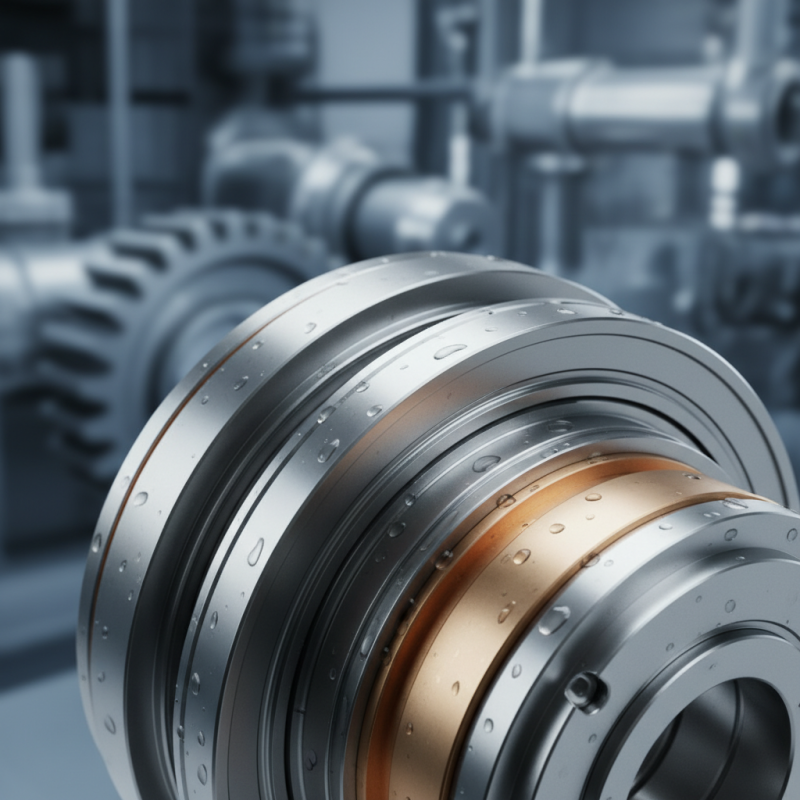
Metal bellows seals are crucial components in various industrial applications. They effectively prevent leaks, ensuring the efficient operation of machinery. Their design allows them to adapt to changing pressures and temperatures. According to industry reports, these seals can significantly enhance the lifespan of equipment, reducing maintenance costs by up to 30%.
In industries like oil and gas, metal bellows seals are vital for safety. They ensure that hazardous materials do not escape into the environment. A study conducted by the International Society for Automation indicates that faulty seals can lead to catastrophic failures, costing companies millions. The reliability of metal bellows seals is paramount in these high-stakes environments.
However, not all metal bellows seals are created equal. Manufacturers face challenges in achieving optimal performance while maintaining cost-effectiveness. Engineers often debate the materials and designs used in their construction. Finding the perfect balance between flexibility and strength is critical. This ongoing evolution highlights the importance of understanding specific applications before selecting a seal.
Performance Comparison of Metal Bellows Seals in Industrial Applications
This chart compares the leak rates of different metal bellows seals used in industrial applications. Lower values indicate better performance in preventing leaks.
Key Factors to Consider When Selecting China Metal Bellows Seals
When selecting China metal bellows seals, understanding your application is crucial. These seals handle pressure and temperature variations in pumps or compressors. Check the operating environment carefully. Different materials suit different chemical exposures and temperatures. Overlooking these details might cause premature failure.
Precision in manufacturing affects seal reliability. Look for tight tolerances in the bellows design to avoid leakage. However, some manufacturers claim high standards without adequate proof. It’s wise to verify technical specifications and request material certificates.
Installation also matters. Improper fitting can reduce seal life significantly. Even experienced engineers sometimes underestimate this step. Taking time for proper alignment and cleaning is essential. You may think it’s minor, but it impacts long-term performance greatly.
Evaluating Material Types and Their Performance in Metal Bellows Seals
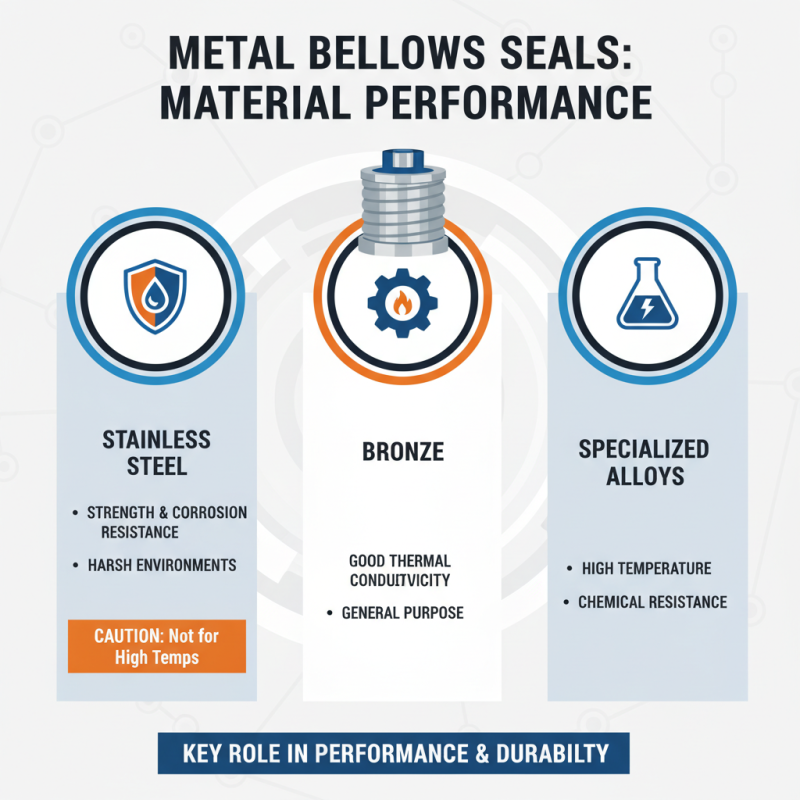
When considering metal bellows seals, material types play a crucial role in performance. Common materials include stainless steel, bronze, and specialized alloys. Each material offers unique advantages. Stainless steel, for instance, is known for its strength and corrosion resistance, making it suitable for harsh environments. However, it may not always be the best choice for high temperatures.
Bronze, on the other hand, offers excellent wear resistance. It's often favored in applications involving sliding mechanisms. Yet, one must consider potential limitations, such as susceptibility to galvanic corrosion. Specialized alloys can provide tailored solutions, but their higher cost may deter some users. Evaluating these material types requires balancing performance with budget constraints.
Understanding each material’s limitations is essential. For instance, high-strength alloys can perform exceptionally well under pressure. However, they may lack flexibility. Choosing the right metal bellows seal involves careful analysis of performance needs. Users must reflect on their specific applications and potential challenges. This process ensures optimal performance and longevity in various environments.
The Impact of Design Configurations on Seal Efficiency and Durability
When choosing a metal bellows seal, design configurations play a crucial role in its efficiency and durability. Various geometric shapes and materials can affect how the seal performs under pressure and temperature. A well-designed seal can withstand significant stress, ensuring that machinery functions properly. However, not all configurations deliver the same results. Some designs may lead to early wear or leaks if not carefully tested.
Understanding the materials used is equally important. Different alloys offer varying levels of resistance to corrosion and fatigue. A seal made from a high-quality metal can last longer and perform better. However, it is essential to consider how the seal interacts with the fluids it will contain. Compatibility may not always be straightforward. Users must thoroughly research material properties before making a selection.
Moreover, installation errors can compromise even the best-designed seals. Incorrect alignment or improper fitting can lead to premature failure. It's vital to follow best practices to minimize these risks. While aesthetics in design matter, functionality should always take precedence. An effective solution requires careful balancing of various elements to truly cater to specific needs. Ultimately, ongoing evaluation of both design and performance is key to achieving reliability in metal bellows seals.
Industry Standards and Certifications for Quality Assurance in Metal Bellows Seals
When selecting metal bellows seals, industry standards are essential for ensuring quality and reliability. Various organizations, such as the American Society of Mechanical Engineers (ASME) and the International Organization for Standardization (ISO), have established guidelines to vet materials and performance. For instance, ISO 9001 certification verifies that manufacturers maintain consistent quality management systems. Such certifications inspire confidence in the durability and safety of metal bellows seals.
A report from Research and Markets suggests that the global metal bellows market is projected to grow significantly. The market's expansion reflects a rising demand for high-performance sealing solutions in industries such as aerospace, automotive, and chemical processing. With stringent safety regulations, companies must source seals that comply with these standards. Yet, not every manufacturer adheres to guidelines closely, leading to variations in product quality.
Many engineers express concerns about inconsistent performance across different vendors. Users must evaluate the certifications a manufacturer holds before making a purchase. Additionally, factors such as material composition, temperature resistance, and cyclic durability play crucial roles in decision-making. Continuous research and testing are necessary to ensure that seals meet evolving industry demands. Ignoring these elements can result in costly downtimes and safety hazards.
Discovering the Best China Metal Bellows Seal for Your Needs
| Seal Type |
Material |
Pressure Rating (psi) |
Temperature Range (°C) |
Certifications |
| Metal Bellows Seal A |
Stainless Steel |
250 |
-20 to 120 |
ISO 9001, API 682 |
| Metal Bellows Seal B |
Inconel |
300 |
-40 to 150 |
ASME, PED |
| Metal Bellows Seal C |
Titanium |
400 |
-30 to 200 |
ISO 14001, CE |
| Metal Bellows Seal D |
Alloy 20 |
200 |
-10 to 100 |
FDA, ISO 9001 |