Top Benefits of Using Centrifugal Seal in Industrial Applications?
Centrifugal seals are pivotal in various industrial applications, offering significant advantages. According to a recent report by the Global Seal Industry Association, the use of centrifugal seals has improved operational efficiency by up to 30%. With rising energy costs and stricter environmental regulations, industries are under pressure to enhance their sealing technologies.
Dr. Emily Chen, a leading expert in sealing technology, states, "Centrifugal seals are revolutionizing how industries manage fluid containment." These seals minimize leaks, reduce maintenance, and extend equipment life. Their ability to withstand extreme temperatures and pressures makes them suitable for diverse sectors, from oil and gas to chemical processing.
Yet, many companies struggle with improper installation and selection of seals. This can lead to significant downtime and increased costs. Industries must invest in proper training and technology to fully leverage the benefits of the centrifugal seal. Understanding the complexities and nuances involved is essential for achieving optimal performance.
Key Features of Centrifugal Seals in Industrial Applications
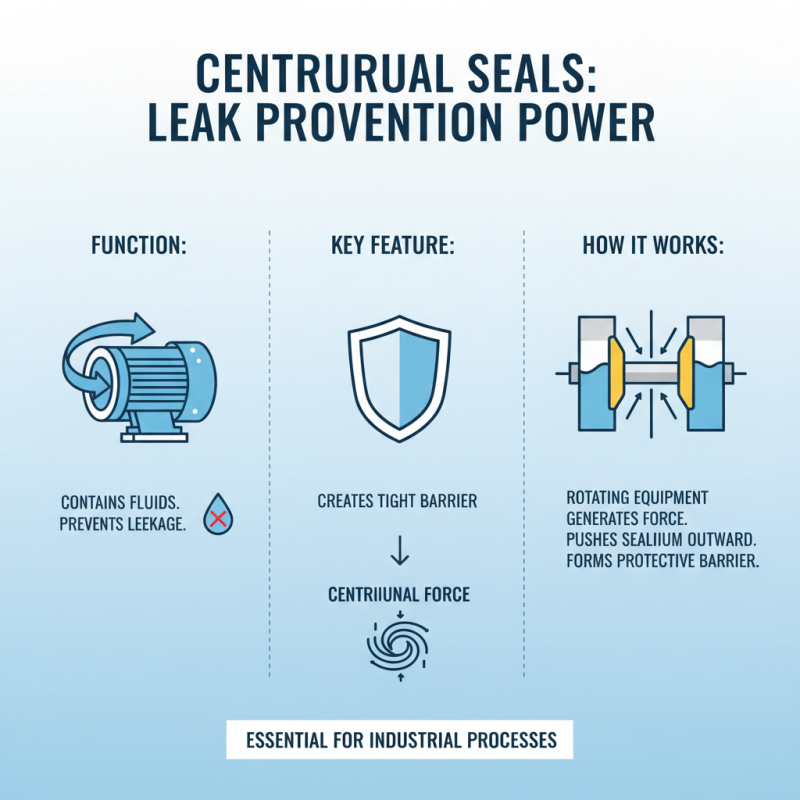
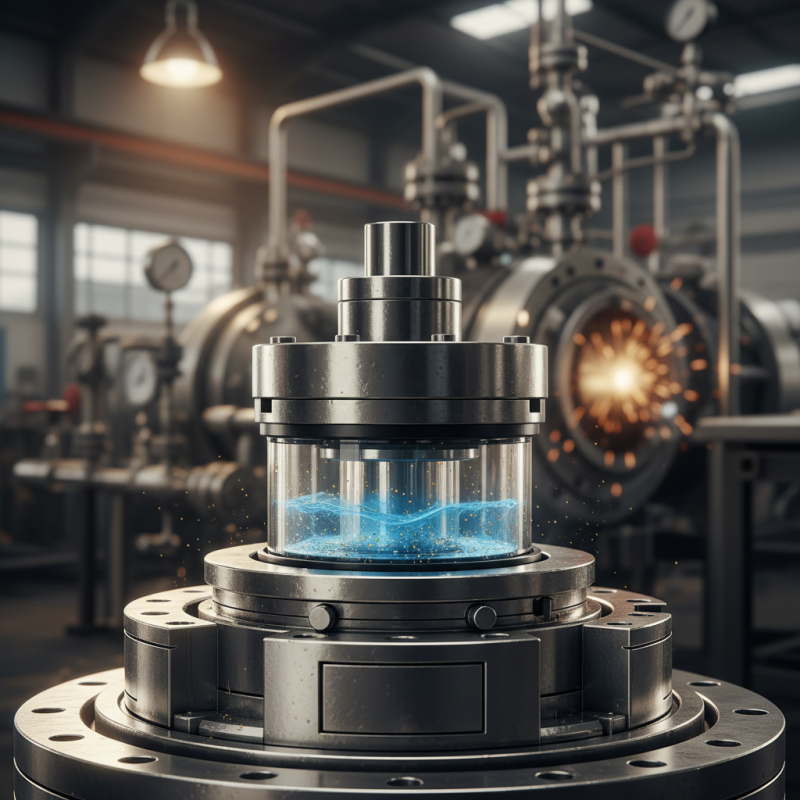
Centrifugal seals play a vital role in many industrial processes. They are designed to effectively contain fluids and prevent leakage. The key feature of a centrifugal seal is its ability to create a tight barrier. This is accomplished through the use of centrifugal force generated by rotating equipment.
One significant benefit of these seals is their efficiency. They can withstand high pressures without compromising integrity. Operating in harsh conditions is another area where they excel. The materials used in centrifugal seals resist wear and corrosion. This leads to reduced downtime, saving both time and money.
Tip: Regular inspection of seals can prevent unexpected failures. Keep an eye on wear patterns. If you notice unusual changes, it’s time for a closer look.
While these seals offer many advantages, they are not foolproof. Installation needs precision. Misalignment can lead to leaks, which defeats their purpose. Focus on proper installation techniques to ensure effectiveness.
Tip: Consider training staff on installation procedures. Knowledgeable operators can make a big difference in seal performance.
Advantages of Centrifugal Seals Over Traditional Sealing Methods
Centrifugal seals stand out in industrial applications. Their design minimizes leaks effectively. Unlike traditional seals, they use centrifugal force to create a tighter seal. This is particularly useful in high-speed operations. With reduced friction, they require less maintenance.
Consider this tip: always check the installation alignment. Misalignment can lead to premature wear. Centrifugal seals are sensitive, and even slight misalignments can cause issues. Regular inspections can help maintain efficiency.
Another advantage is their adaptability. Centrifugal seals perform well in various environments. They can handle extreme temperatures and harsh chemicals. Traditional seals may fail under these conditions. Remember, not all applications require the same sealing solution. It's crucial to evaluate specific needs carefully.
Applications of Centrifugal Seals in Various Industries
Centrifugal seals play a crucial role in various industrial applications. In chemical processing, these seals prevent the leakage of corrosive fluids. They withstand harsh conditions, but they can wear out over time. Regular maintenance is essential to ensure their longevity.
In the food and beverage sector, centrifugal seals contribute to hygiene. They contain liquids without contamination risks. However, the materials used must comply with food safety standards. This can complicate the selection process.
Centrifugal seals are also vital in wastewater treatment plants. They help manage heavy sludges and prevent backflow. Yet, blockages can occur, requiring frequent checks. Operators often face challenges in ensuring optimal performance. This emphasizes the need for ongoing training and system upgrades.
Top Benefits of Using Centrifugal Seal in Industrial Applications
| Benefit |
Description |
Industry Applications |
| Leak Prevention |
Centrifugal seals effectively prevent the escape of gases and liquids, ensuring safety and product quality. |
Chemical, Petrochemical, Wastewater Treatment |
| Improved Efficiency |
These seals optimize operational efficiency by minimizing friction and wear. |
Manufacturing, Power Generation |
| Extended Equipment Lifespan |
Centrifugal seals reduce damage and prolong the operational life of machinery. |
Transport, Mining |
| Versatility |
Can be used in various applications across different industries, making them a flexible solution. |
Food & Beverage, Pharmaceuticals |
| Cost-Effectiveness |
Reduce maintenance and replacement costs due to their durability and efficiency. |
Construction, Automotive |
Maintenance and Longevity of Centrifugal Seals
Centrifugal seals play a crucial role in maintaining efficiency in industrial settings. They effectively prevent leaks while ensuring that equipment operates smoothly. However, the maintenance of these seals is vital for longevity and optimal performance.
Regular inspection is essential. Over time, centrifugal seals can wear down due to pressure and abrasion. Small cracks or irregularities may develop. Addressing these issues promptly can prevent larger problems. Check for signs of wear frequently to avoid unexpected failures.
Tips for maintenance include cleaning seals regularly to remove debris. This simple action can significantly extend their life. Use appropriate lubricants where necessary, but avoid excessive amounts that may attract dirt. It’s essential to train staff on proper handling techniques. This helps in preserving the integrity of seals during installation and removal.
Failure to pay attention to maintenance can lead to costly downtime. A seal that fails might cause equipment breakdown or leaks. Understand that maintaining your centrifugal seals is not just about the seals themselves. It's about the entire system working in harmony, ensuring long-term efficiency and productivity.
Future Trends in Centrifugal Seal Technology for Industry
Centrifugal seals are gaining traction in various industrial applications. Innovations in this field are vital as manufacturers seek efficiency. Recent reports indicate that the global centrifugal seal market is expected to grow by 5.2% annually. This growth reflects the increasing demand for reliable sealing solutions.
Future trends highlight advanced materials and smart technology integration. Engineers are focusing on lightweight composites that offer better durability. Some seals will eventually incorporate sensors for real-time monitoring. This move could enhance performance by predicting failures before they occur.
However, challenges remain. Not all industries are ready for these innovations. Older systems may struggle with compatibility. Moreover, there is no universal standard yet for advanced sealing technologies. As a result, many companies need to do extensive research to make informed decisions.