2026 Top Trends in Centrifugal Seal Technology and Their Applications?
Centrifugal seals play a pivotal role in various industrial applications. They are essential for maintaining pressure and preventing leaks in rotating machinery. According to a recent market analysis report by Allied Market Research, the centrifugal seal market is expected to reach $1.5 billion by 2027. This growth demonstrates the increasing demand for efficient sealing solutions across multiple sectors.
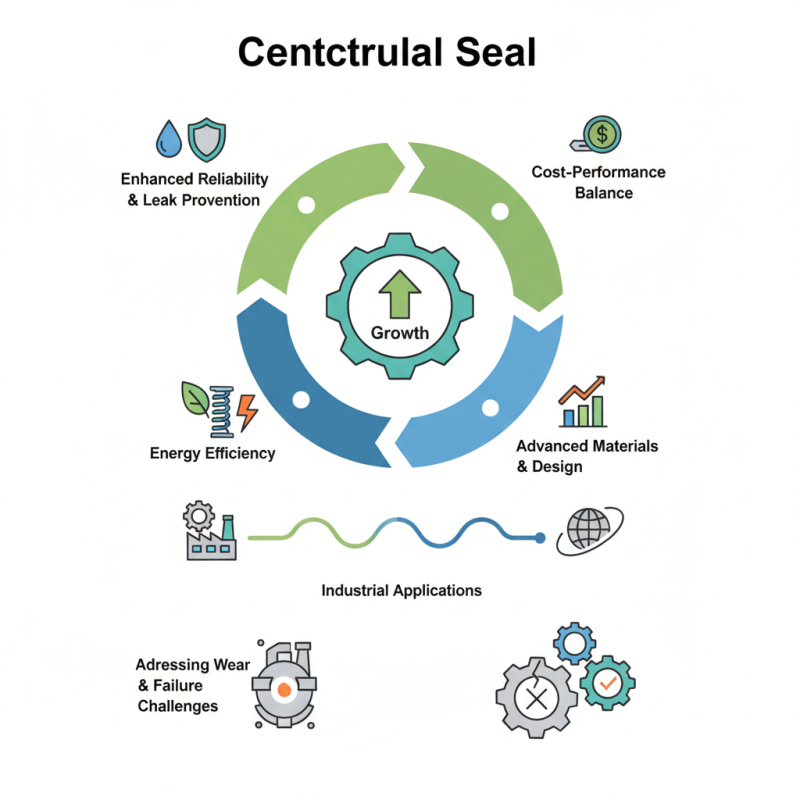
Industry expert Dr. John Davis emphasized the importance of innovation in this field, stating, "Centrifugal seal technology has evolved dramatically, paving the way for enhanced reliability and performance." This reflects the ongoing advancements in materials and design. As businesses strive for greater energy efficiency, the importance of reliable seals becomes even more pronounced.
While the advancements are promising, there are challenges that need reflection. Some manufacturers still face issues related to wear and failure rates in high-pressure applications. Industry players must reconsider their approaches. The balance between cost and performance remains a critical concern. As we look to 2026, staying ahead of trends in centrifugal seal technology is crucial for success.
Advancements in Materials for Centrifugal Seal Technology in 2026
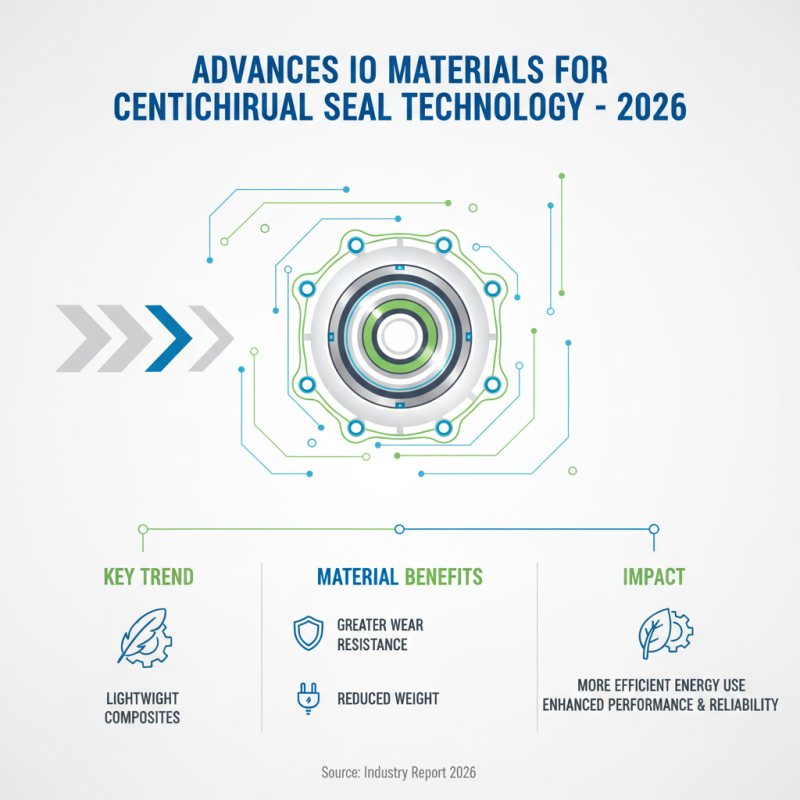
Centrifugal seal technology is evolving rapidly. The advancements in materials are crucial for enhancing performance and reliability in various applications. In 2026, lightweight composites are taking center stage. These materials provide greater wear resistance while reducing overall weight. This shift allows for more efficient energy use in machinery.
Moreover, new elastomers are being developed with improved temperature and chemical resistance. These innovations can withstand extreme conditions, ensuring longer operational life. However, the integration of these advanced materials is not without challenges. The manufacturing processes may require adaptations, leading to potential delays.
Research also focuses on eco-friendly materials. Sustainable solutions can reduce the environmental impact of centrifugal seals. It raises questions about the trade-offs between performance and environmental responsibility. As industries adopt these new materials, ongoing evaluation is necessary to find the best balance for future applications.
Innovative Design Approaches in Centrifugal Seal Applications
Centrifugal seal technology is evolving rapidly, driven by innovative design approaches. These designs aim to enhance performance and efficiency in various applications. According to a recent market report, the global centrifugal seal market is projected to reach $2.4 billion by 2026, indicating a significant demand for improved sealing solutions.
Advanced materials and manufacturing techniques are being utilized in modern centrifugal seals. Engineers are experimenting with composite materials that offer better wear resistance and lower friction. These innovations lead to longer service life and reduced maintenance costs. However, the transition to new materials can introduce challenges. Compatibility with existing systems and processes must be considered carefully.
Tip: Evaluate the specific needs of your application before adopting new materials. This ensures an optimal balance of performance and durability.
Integration of smart technology is another trend shaping centrifugal seals. Sensors and IoT devices collect data on seal performance. This enables predictive maintenance, reducing downtime and enhancing reliability. Yet, the complexity of integrating such technologies can pose issues. Ensuring data security and system compatibility remains a crucial factor.
Tip: Invest in training for your team on new technologies to maximize the benefits of smart seal systems. By embracing these innovative approaches, industries can improve their sealing solutions significantly.
2026 Top Trends in Centrifugal Seal Technology
This chart illustrates the key trends in centrifugal seal technology and their projected applications across various industries in 2026. The data reflects the anticipated growth and innovation within these applications.
Impact of Industry 4.0 on Centrifugal Seal Performance and Efficiency
The rise of Industry 4.0 is transforming centrifugal seal technology dramatically.
Advanced data analytics and IoT enable real-time monitoring of seal performance.
This leads to enhanced efficiency and proactive maintenance.
According to a recent McKinsey report, companies implementing smart technology experience a
20-30% reduction in downtime. Such insights are reshaping how seals are designed
and managed in various applications.
Equipment that adapts to operating conditions can drastically improve its lifespan.
However, integrating these technologies can pose challenges. Many companies need help in staff training and data management.
The transition phase often reveals gaps in existing infrastructure.
Organizations must evaluate their readiness for digital transformation to reap the benefits.
Tips: Regularly train your team on new technologies. Maintain an open dialogue about the changes in processes.
Consider phased rollouts for better integration. Embracing these steps can lead to smoother transitions and improved seal performance.
Environmental Regulations Influencing Centrifugal Seal Technology
Environmental regulations are playing a pivotal role in shaping centrifugal seal technology. Recent studies indicate that approximately 65% of industries are adapting their sealing systems to comply with stricter environmental standards. This shift is not merely a trend but a necessity driven by increasing global awareness of sustainability.
Advanced centrifugal seals must meet new emissions targets. For instance, the International Organization for Standardization (ISO) has proposed stricter guidelines on volatile organic compounds (VOCs). Meeting these standards often requires innovative materials and design approaches. Many engineers are exploring alternative elastomers and coatings that not only resist wear but also minimize environmental impact. However, these materials often come with higher costs and require new testing protocols.
Implementation of these regulations can be challenging. Manufacturers face hurdles in sourcing compliant materials. Additionally, developing new designs takes time and resources. Companies often struggle with balancing compliance and efficiency. Feedback loops with stakeholders are critical at this stage. Engaging with regulatory bodies and industry groups is essential, but navigating these conversations can be complex. Ultimately, the evolving landscape of environmental regulation demands a proactive approach in centrifugal seal technology, blending compliance with performance.
2026 Top Trends in Centrifugal Seal Technology and Their Applications
| Trend |
Description |
Applications |
Environmental Impact |
| Improved Materials |
Use of advanced polymers and composites enhancing durability. |
Chemical processing, wastewater treatment. |
Reduction in material waste and enhanced lifespan. |
| Smart Sealing Solutions |
Integration of IoT technology for real-time monitoring. |
Oil & gas, pharmaceuticals. |
Proactive maintenance reduces leaks and emissions. |
| Energy Efficiency |
Design optimizations that reduce power consumption. |
HVAC systems, industrial compressors. |
Lower energy use leads to decreased carbon footprint. |
| Customizable Seals |
Tailored sealing solutions to specific application needs. |
Automotive, aerospace. |
Increased efficiency and reduced waste. |
| Regulatory Compliance |
Designs that meet evolving environmental standards. |
Energy generation, manufacturing. |
Limiting pollutants and enhancing sustainability practices. |