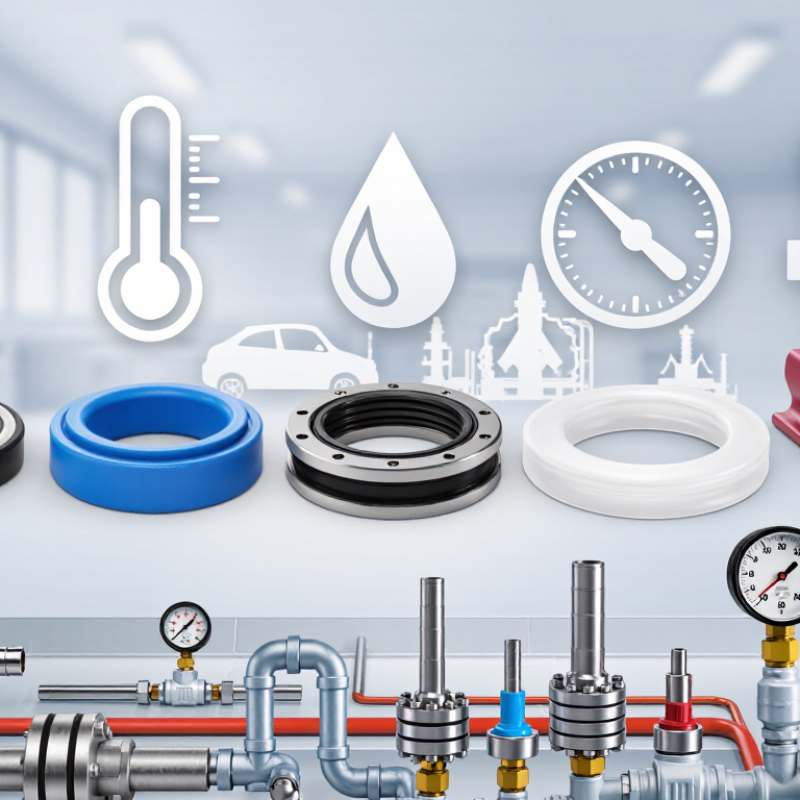
Global buyers entering 2026 face a practical question: which Elastomer Seal type survives real service conditions, not merely laboratory testing? O-rings, lip seals, bonded seals, diaphragms, and custom molded profiles each solve different leakage risks. Temperature, pressure, media compatibility, shaft speed, compression set, and installation quality must guide the selection.
Market evidence supports continued demand. Grand View Research’s Industrial Seals Market report identifies automotive, aerospace, energy, and process equipment as major growth sectors. MarketsandMarkets’ Seals Market analysis also projects steady expansion through the decade, driven by fluid handling, electrification, and stricter equipment reliability requirements. However, market definitions differ. Some reports include thermoplastics, while others focus mainly on rubber and elastomeric products. The numbers are not perfectly aligned.
Material science still explains the decision. As rubber scientist James E. Mark wrote, “Rubber is a unique material because it can undergo very large deformations and return to its original shape.” That flexibility becomes useful only when the compound matches the environment. Nitrile suits many petroleum fluids. EPDM performs better with hot water and weather exposure. FKM handles demanding temperatures and chemicals, but usually costs more. Silicone offers broad temperature performance, yet abrasion resistance can disappoint.
Small details matter. A scratched shaft can ruin a premium seal. Incorrect gland dimensions can cause early leakage. This guide compares the best Elastomer Seal types for global buyers in 2026, using published market research, recognized testing principles, and application experience. It also acknowledges an uncomfortable point: no single material is universally best.
What Are Elastomer Seals and Why Do They Matter in 2026?
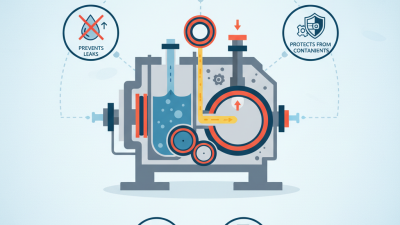
An elastomer seal is a flexible component that blocks fluids, gases, dust, or pressure gaps. It works by deforming against a mating surface. Common forms include O-rings, gaskets, lip seals, and custom profiles. Typical materials include nitrile rubber, EPDM, silicone, fluorocarbon, and polyurethane. Each material behaves differently under heat, chemicals, pressure, and movement.
In 2026, global buyers need more than a low unit price. A seal may sit beside hot oil, outdoor moisture, cleaning chemicals, or fine dust. A wrong material can swell, harden, crack, or leak within months. I have seen small design errors cause repeated maintenance and unexpected downtime. Temperature range, pressure cycles, shaft speed, surface finish, and compression should be checked together. Testing should reflect real service conditions, not only laboratory data. Material selection is rarely perfect. It often needs revision after field feedback.
Tips: Ask for material test data, dimensional reports, and batch traceability. Confirm operating temperatures with actual peaks, not average readings. Check chemical compatibility before approving samples. Inspect sealing surfaces for scratches and sharp edges. A simple drawing can prevent costly confusion. Also, define storage conditions, because sunlight, ozone, and heat can age elastomers before installation. Clearance matters too. Even a strong seal may fail when the gap becomes excessive under pressure.
Elastomer seals are commonly classified by material family, shape, and working purpose. This system helps global buyers compare products without relying on appearance alone. Material remains the critical starting point.
Nitrile rubber suits mineral oils, fuels, and many hydraulic applications. EPDM performs well with hot water, steam, and weather exposure. Fluoroelastomer handles higher temperatures and aggressive chemicals, but it may cost more. Silicone remains useful across wide temperature ranges, especially where flexibility and cleanliness matter. Polyurethane offers strong abrasion resistance in dynamic sealing conditions. Each material has limits.
Shape creates another practical classification. O-rings provide simple radial or axial sealing in machined grooves. Lip seals manage rotating shafts and often include a spring for contact pressure. Wiper seals remove dust from moving rods. Custom molded seals support unusual profiles, gaps, or assembly constraints. Static seals rarely face the same wear as dynamic seals.
Application conditions refine the classification further. Buyers should check pressure, temperature cycling, fluid compatibility, surface finish, compression, and movement speed. A seal that works in laboratory testing may fail after repeated installation or poor lubrication. That detail is easy to miss. Field records, batch traceability, and hardness testing improve purchasing confidence. ISO-based dimensional checks can also reduce interchange problems, although standards do not replace application testing. A tidy classification chart helps, but real equipment is less tidy. Experienced engineers still question the first material choice.
2026 Best Elastomer Seal Types for Global Buyers
Which elastomer seal materials suit different applications? The answer depends on temperature, pressure, media, movement, and maintenance conditions. No single elastomer works everywhere.
Nitrile rubber suits hydraulic oils, mineral oils, and general pneumatic equipment. It performs well in moderate temperatures and offers practical cost control. EPDM handles hot water, outdoor weather, ozone, and many cleaning fluids. However, petroleum oils can damage it quickly. Fluoroelastomer supports higher temperatures and aggressive chemicals, making it useful around engines, fuel systems, and industrial processing equipment. Silicone remains flexible across wide temperature changes. It fits low-pressure seals, food-contact equipment, and sensitive instruments when the correct grade is verified. Polyurethane offers strong abrasion resistance for dynamic seals, though heat and chemical limits require careful review.
Tips: Check the actual fluid, temperature peaks, pressure cycles, and shaft speed. Request compatibility data and test samples under real service conditions. A material chart helps, but it can mislead. Real equipment is less predictable. Ask suppliers for batch traceability, dimensional inspection records, and applicable quality documentation. Seal hardness also matters; a softer compound may seal uneven surfaces better, while a harder one can resist extrusion. These choices need balance. Even experienced engineers sometimes overlook startup conditions, cleaning chemicals, or long storage periods. Confirm the design with prototype testing before large-scale purchasing.
| Elastomer Material | Common Seal Types | Typical Service Temperature Range | Key Strengths | Generally Suitable Media | Important Limitations | Typical Applications | Best Fit for Buyers Seeking |
|---|---|---|---|---|---|---|---|
| NBR (Nitrile Rubber) |
O-rings Oil seals Gaskets | −30°C to +100°C (−22°F to +212°F) |
Good resistance to petroleum-based oils and fuels; good abrasion resistance; economical and widely available. | Mineral oils, hydraulic oils, diesel fuel, lubricating oils, and many greases. | Poor resistance to ozone, weathering, sunlight, and hot air; generally unsuitable for strongly polar fluids and many aggressive chemicals. | Hydraulic equipment, pneumatic cylinders, fuel systems, automotive components, pumps, and general industrial machinery. | Cost-effective sealing in oil-based hydraulic and mechanical applications. |
| HNBR (Hydrogenated Nitrile Rubber) |
O-rings Rotary seals Gaskets | −40°C to +150°C (−40°F to +302°F) |
Improved heat, ozone, aging, and mechanical performance compared with standard NBR; strong resistance to wear and dynamic service. | Petroleum oils, fuels, many hydraulic fluids, sour-gas environments with suitable compounds, and selected refrigerants. | Not suitable for highly polar solvents, strong acids, or strong oxidizing chemicals; compatibility varies by compound. | Oil and gas equipment, automotive fuel systems, high-temperature hydraulics, compressors, and dynamic seals. | Higher temperature and longer service life than NBR without moving to a high-cost fluorocarbon material. |
| FKM (Fluorocarbon Rubber) |
O-rings Oil seals Valve seals | −20°C to +200°C (−4°F to +392°F) |
Excellent resistance to high temperatures, mineral oils, fuels, and many chemicals; low gas permeability. | Mineral oils, fuels, hydraulic fluids, many hydrocarbons, and numerous chemical fluids. | Limited resistance to hot water, steam, strong bases, amines, and some low-temperature conditions; special grades may be required. | Aerospace and automotive systems, chemical processing, fuel handling, high-temperature pumps, and industrial valves. | Reliable sealing in hot oil, fuel, and hydrocarbon service. |
| EPDM (Ethylene Propylene Rubber) |
O-rings Pipe gaskets Bellows | −50°C to +150°C (−58°F to +302°F) |
Excellent resistance to hot water, steam, ozone, weathering, and aging; suitable for many glycol-based fluids. | Water, hot water, steam, brake fluids based on glycol, dilute acids, alkalis, and many polar fluids. | Poor resistance to petroleum oils, mineral oils, fuels, and hydrocarbon-based lubricants. | Potable-water systems, HVAC, plumbing, steam service, brake systems, outdoor equipment, and solar heating systems. | Durable outdoor, water, steam, and glycol-fluid sealing. |
| VMQ (Silicone Rubber) |
O-rings Gaskets Diaphragms | −60°C to +200°C (−76°F to +392°F) |
Very wide temperature range; excellent flexibility at low temperatures; good resistance to ozone, weathering, and aging. | Dry heat, air, ozone, water under suitable conditions, and selected food or medical applications using compliant grades. | Lower tear, abrasion, and tensile strength than many general-purpose elastomers; poor resistance to many fuels, oils, and high-pressure steam. | Food equipment, medical devices, electrical enclosures, appliances, low-temperature systems, and static gaskets. | Flexible sealing across very low and high temperatures, especially in static applications. |
| CR (Chloroprene Rubber) |
Gaskets O-rings Diaphragms | −40°C to +120°C (−40°F to +248°F) |
Good resistance to weathering, ozone, moderate oils, flame, and flex fatigue; balanced mechanical performance. | Refrigerants, water, dilute chemicals, moderate oils, and outdoor environmental exposure. | Not recommended for strong acids, strong alkalis, aromatic solvents, or prolonged exposure to petroleum fuels. | Refrigeration equipment, construction machinery, outdoor seals, flexible couplings, and general-purpose gaskets. | Balanced outdoor and mechanical performance where extreme chemical resistance is not required. |
| ACM (Polyacrylate Rubber) |
Rotary seals Oil seals Gaskets | −20°C to +150°C (−4°F to +302°F) |
Good resistance to hot automotive oils, oxidation, and weathering; suitable for many high-temperature rotary applications. | Hot lubricating oils, selected transmission fluids, and automotive oil systems. | Poor low-temperature flexibility; limited resistance to water, hot steam, fuels, and some hydraulic fluids. | Automotive transmissions, engine components, rotary shafts, and high-temperature oil systems. | Hot oil sealing where low-temperature flexibility is not the primary requirement. |
| FFKM (Perfluoroelastomer) |
O-rings Valve seals Custom gaskets | Approximately −20°C to +300°C (−4°F to +572°F) |
Exceptional resistance to a broad range of aggressive chemicals and high temperatures; very low swelling in demanding media. | Strong acids, bases, solvents, hydrocarbons, oxidizers, and high-purity process chemicals, subject to grade selection. | High material cost; some grades have limited low-temperature flexibility; performance varies significantly among formulations. | Semiconductor processing, chemical plants, pharmaceutical equipment, aerospace systems, and high-temperature vacuum service. | Maximum chemical and thermal resistance where downtime or contamination risk is costly. |

Global buyers should compare elastomer seals by service conditions, not by unit price alone. A low-cost seal may fail quickly under heat, pressure, or chemical exposure. Experienced engineers usually begin with temperature range, media compatibility, pressure cycles, and expected movement. A seal that fits water service may swell in oil. Small details matter.
Performance data should include compression set, tensile strength, hardness, leakage results, and aging behavior. Ask for test conditions, not only attractive laboratory numbers. Check whether the seal was tested at the same temperature and pressure used in your equipment. A product rated for 150°C may perform differently during continuous operation. It may also harden after repeated thermal cycles.
Cost comparison needs a wider view. Include tooling, inspection, freight, storage, replacement labor, downtime, and import documentation. A cheaper seal with inconsistent dimensions can create expensive assembly delays. Buyers should request batch traceability and clear material certificates. Regional standards may also affect acceptance. I once saw a spreadsheet favor a low-price option, but it ignored maintenance labor. That comparison was incomplete.
A practical trial can reveal more than a quotation. Install samples in representative housings, then inspect them after cycling. Look for flattening, cracks, swelling, and permanent deformation. Supplier support matters too, especially when drawings or operating conditions change. Perfect predictions are rare. Careful evidence is better.
For global buyers, seal selection should begin with the operating environment, not the cheapest material. Define temperature, pressure, movement, media, surface finish, and installation space. O-rings suit static and moderate dynamic joints, while lip seals handle rotating shafts. Diaphragms fit controlled flexing. Gaskets serve wider flange areas. ASTM D2000 helps classify rubber compounds, while ISO 3601 supports dimensional control for O-rings.
Testing standards make supplier claims easier to compare. ASTM D395 measures compression set, ASTM D412 evaluates tensile properties, and ASTM D471 checks fluid resistance. Heat-aging performance can be reviewed through ASTM D573. For drinking-water applications, buyers should verify EN 681-1 or applicable local requirements. Food-contact projects may require evidence against FDA 21 CFR 177.2600 or Regulation (EC) No 1935/2004. The correct certificate depends on the final use.
Quality systems also deserve scrutiny. The ISO Survey 2023 recorded more than 1.26 million ISO 9001 certificates worldwide, showing broad adoption of controlled production systems. Certification alone proves little about compound suitability. Ask for batch traceability, test conditions, tolerance data, and aging results. Request samples from the actual production compound. A polished datasheet can still hide poor compression recovery. I would also check installation tools and lubrication practice, because field errors often resemble material failure. The selection process is rarely perfect. Make the risk visible.