2026 Best Bellow Seals for Optimal Performance and Longevity?
In the world of machinery and fluid dynamics, Bellow Seals play a crucial role. They are essential for maintaining operational integrity and preventing leaks in various applications. The demand for high-quality Bellow Seals is growing. According to industry expert Dr. Emily Hartman, "Choosing the right Bellow Seals can significantly enhance performance and extend equipment life." Her insights highlight the importance of selecting optimal seals for longevity.
Bellow Seals are designed to withstand pressure and temperature fluctuations. These seals provide a tight barrier, ensuring that fluids do not escape. However, not all Bellow Seals are created equal. Poor quality seals can lead to frequent replacements and increased maintenance costs. It’s vital to evaluate the materials and designs used in manufacturing them.
Choosing the best Bellow Seals involves knowing the specific application requirements. Understanding these details can be overwhelming, yet they are essential for optimal performance. Reflecting on experiences with various Bellow Seals is valuable. The right choice can lead to improved efficiency, while the wrong one can create unforeseen challenges. This ongoing examination is crucial for anyone in the industry.
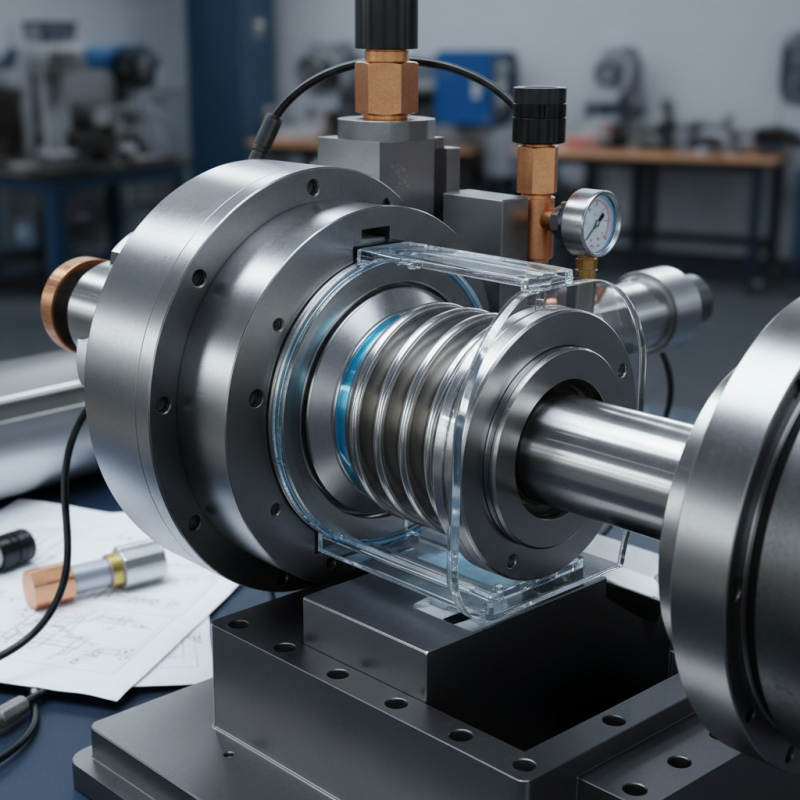
2026 Overview of Bellow Seals for Industrial Applications
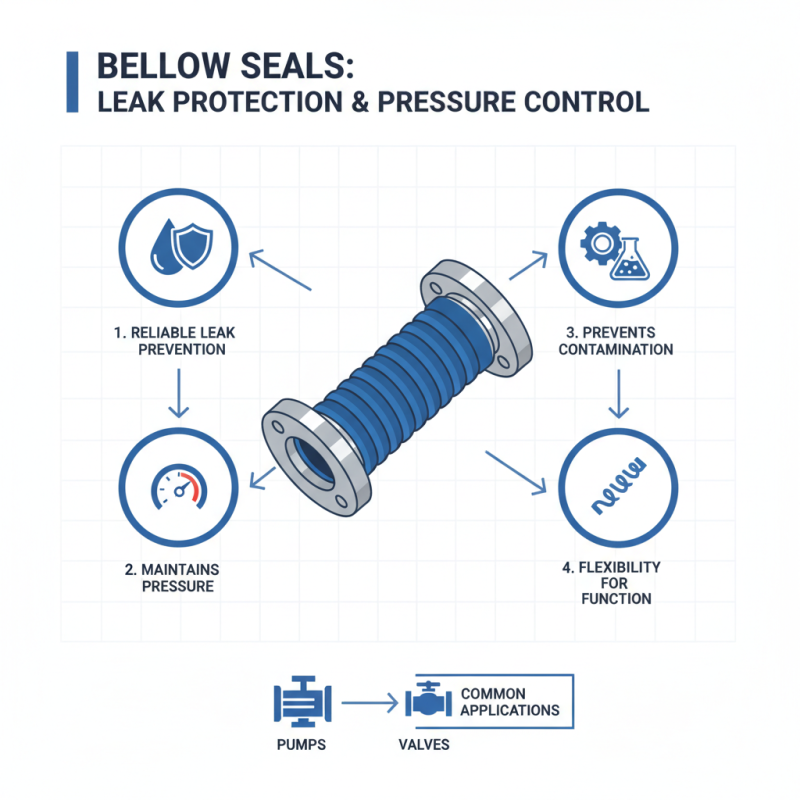
Bellow seals play a critical role in various industrial applications. Their primary function is to prevent leakage of fluids and gases. This essential aspect is crucial for maintaining operational efficiency and safety.
According to a recent market report, the demand for bellow seals is expected to rise by 5.5% annually over the next few years. This growth emphasizes the need for reliable sealing solutions in industries like chemical processing and pharmaceuticals.
One common issue is the deterioration of materials used in bellow seals. Factors like temperature fluctuations and chemical compatibility can lead to early failures. Statistics show that over 30% of seal failures occur due to improper material selection. Knowing the environmental conditions is vital to prevent these failures.
Tips: Always verify material compatibility with the specific fluid. Regular inspections can catch issues early. Consider environmental factors too.
Proper installation techniques are just as crucial. Misalignment can cause stress, leading to leaks. Many professionals overlook this aspect. According to a survey, about 20% of installations have alignment issues. Taking the time to ensure correct placement can extend the life of bellow seals significantly.
Material Options for Enhancing Bellow Seal Longevity
When considering bellow seal longevity, the choice of material is critical. Different materials react differently under stress and temperature. Rubber, for instance, is common but may not withstand high pressure. Metal bellow seals offer durability but can be costly and complex. Each material has its pros and cons, and users must match the seal to their specific needs.
Polymer options are becoming increasingly popular. They often provide better resistance to harsh chemicals. In some applications, they can last significantly longer than traditional materials. However, the cost factor can be a hurdle for some industries. Assessing the environment where the seal operates is vital. High temperatures combined with aggressive fluids can drastically shorten the seal's lifespan.
It's essential to consider application-specific requirements. Seals may wear unevenly due to improper installation or misalignment. Regular maintenance checks can help identify wear patterns early on. Ignoring these signs can lead to failures. Each decision regarding material can enhance performance or lead to premature breakdowns. Striking the right balance is not always straightforward, and that complexity demands careful thought.
2026 Best Bellow Seals for Optimal Performance and Longevity
| Material |
Temperature Resistance (°C) |
Pressure Resistance (Bar) |
Chemical Resistance |
Expected Lifespan (Years) |
| Fluorocarbon |
-30 to 200 |
50 |
Excellent |
15 |
| EPDM |
-50 to 120 |
30 |
Good |
10 |
| Silicone |
-60 to 230 |
30 |
Moderate |
8 |
| Nitrile |
-40 to 120 |
20 |
Fair |
5 |
| Polyurethane |
-30 to 80 |
25 |
Good |
7 |
Installation Best Practices for Optimal Bellow Seal Functionality
When installing bellow seals, attention to detail is crucial. Begin by ensuring the surface where the seal mounts is clean and free from debris. Even the smallest particles can interfere with the seal’s functionality. A smooth surface is ideal for proper adhesion. Utilize the correct tools for fitting, as improper application can lead to premature wear or failure.
Proper alignment during installation is vital. Misalignment can cause uneven pressure, leading to leaks. Use guides or fixtures to help with alignment if needed. Pay close attention to the torque specifications when securing the seals. Over-tightening can damage the bellow, while too loose can allow for movement and leaks.
Consider environmental factors too. Extreme temperatures can affect the materials used in bellow seals. Also, the presence of various chemicals may degrade the seals over time. Regular inspections after installation can reveal early signs of wear. If issues arise, it’s essential to address them promptly. Reflect on past installations to improve techniques and enhance future performance.
2026 Best Bellow Seals Performance Comparison
This chart displays the performance ratings of various bellow seal types for 2026, demonstrating how each seal compares in terms of effectiveness. The data aims to guide users toward optimal choices for performance and longevity.
Future Trends in Bellow Seal Technology and Innovation
The future of bellow seal technology is promising. As industry demands grow, innovation is key. According to recent reports, the global bellow seal market is projected to increase by 5.3% annually. This rise highlights the urgency for enhanced performance.
More manufacturers are exploring advanced materials. These materials can withstand harsh environments and high pressures. Research indicates that seals made from composite materials show a significant increase in lifespan. In fact, some studies report extended lifetimes, reaching up to 30% longer than traditional options.
There are challenges to address. The integration of smart technology into seals is still in the early stages. Sensors that provide real-time data can improve maintenance practices. However, the technology remains expensive for widespread implementation. Companies must balance costs with potential gains. The future will require careful thought to optimize performance while ensuring affordability.